
ATS: City-Wide Mold Intervention Can Reduce ED Asthma Visits
 via HealthDay
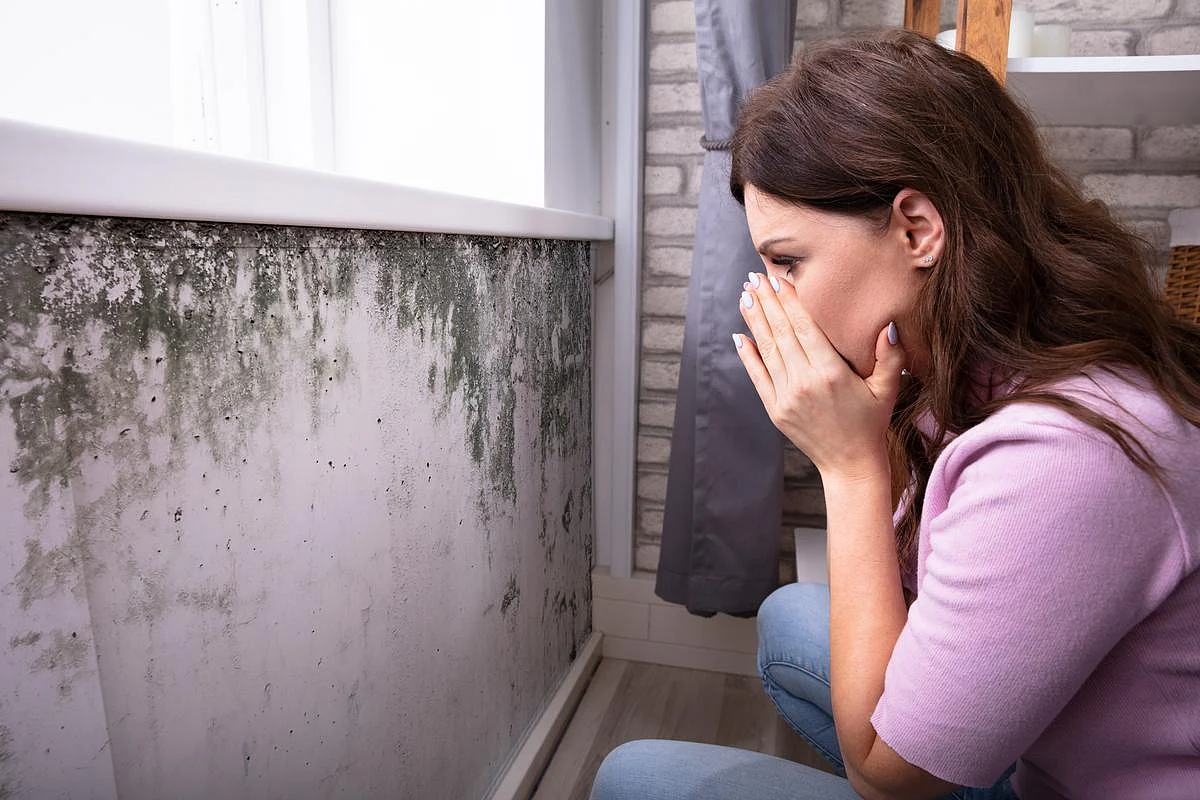
MONDAY, May 18, 2026 -- A city-wide mold intervention in public housing can reduce asthma emergency department (ED) visits, according to a study presented at the American Thoracic Society 2026 International Conference, held from May 15 to 20 in Orlando, Florida.
In 2019, the New York City Housing Authority (NYCHA) implemented a program to remove and remediate mold ("Mold Busters"). Nina Flores, Ph.D., from The University of Texas at Austin School of Social Work, and colleagues hypothesized that Mold Busters would reduce asthma-related ED visits. Data were obtained from 2016 to 2023 among NYCHA residents and a Mold Busters-unexposed group living in proximate non-NYCHA lower-income census tracts. The impact of Mold Busters was examined using differences-in-differences analyses aggregated to preintervention (2016 to 2018) and postintervention (2021 to 2023) periods.
The researchers found that the Mold Busters intervention was associated with an average annual reduction of 9.0 asthma-related ED visits per 1,000 residents, yielding 2,798 fewer annual ED visits from 2021 to 2023. Five trajectory groups were identified in a latent class growth analysis; each group experienced decreases in mold report rates in the postintervention period, but decreases were larger in some groups. Groups with slower reductions in mold reporting rates were mainly larger, older, more likely not to have mechanical ventilation, and more likely to be in flood zones and neighborhoods with higher poverty. Larger reductions in asthma ED visits were seen in groups with larger reductions in mold complaints.
"The health benefits reported here likely underestimate the full scope of health-related benefits from the intervention," Flores said in a statement.
Disclaimer: Statistical data in medical articles provide general trends and do not pertain to individuals. Individual factors can vary greatly. Always seek personalized medical advice for individual healthcare decisions.
Source: HealthDay
Posted : 2026-05-19 02:40
Read more

Disclaimer
Every effort has been made to ensure that the information provided by Drugslib.com is accurate, up-to-date, and complete, but no guarantee is made to that effect. Drug information contained herein may be time sensitive. Drugslib.com information has been compiled for use by healthcare practitioners and consumers in the United States and therefore Drugslib.com does not warrant that uses outside of the United States are appropriate, unless specifically indicated otherwise. Drugslib.com's drug information does not endorse drugs, diagnose patients or recommend therapy. Drugslib.com's drug information is an informational resource designed to assist licensed healthcare practitioners in caring for their patients and/or to serve consumers viewing this service as a supplement to, and not a substitute for, the expertise, skill, knowledge and judgment of healthcare practitioners.
The absence of a warning for a given drug or drug combination in no way should be construed to indicate that the drug or drug combination is safe, effective or appropriate for any given patient. Drugslib.com does not assume any responsibility for any aspect of healthcare administered with the aid of information Drugslib.com provides. The information contained herein is not intended to cover all possible uses, directions, precautions, warnings, drug interactions, allergic reactions, or adverse effects. If you have questions about the drugs you are taking, check with your doctor, nurse or pharmacist.
Popular Keywords
- metformin obat apa
- alahan panjang
- glimepiride obat apa
- takikardia adalah
- erau ernie
- pradiabetes
- besar88
- atrofi adalah
- kutu anjing
- trakeostomi
- mayzent pi
- enbrel auto injector not working
- enbrel interactions
- lenvima life expectancy
- leqvio pi
- what is lenvima
- lenvima pi
- empagliflozin-linagliptin
- encourage foundation for enbrel
- qulipta drug interactions