
Dark Sweet Cherries May Help Slow Aggressive Breast Cancer, Mouse Study Suggests

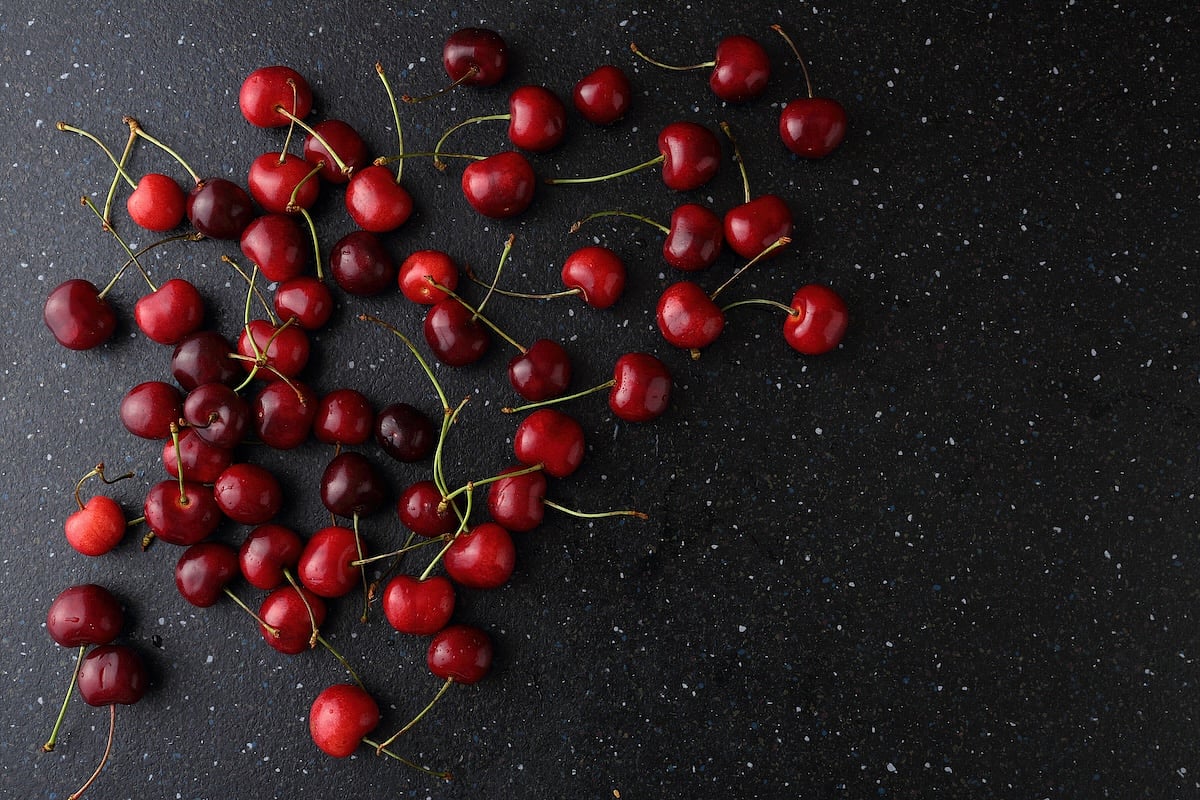 via HealthDay
WEDNESDAY, March 11, 2026 — From cobblers to smoothies, dark sweet cherries show up in plenty of recipes, and scientists say the crimson-colored fruit may contain compounds that could help fight an aggressive type of breast cancer.
A team at Texas A&M University studied natural plant compounds called anthocyanins, which give cherries their deep red color. In lab tests with mice, these compounds slowed tumor growth and reduced the spread of cancer to other organs.
The research focused on triple-negative breast cancer, a form of the disease that is often harder to treat.
“Triple-negative breast cancer is considered ‘the worst’ because it is more aggressive, higher grade, and has a higher mitotic index, meaning the cancer cells divide quickly,” Giuliana Noratto, a research scientist in the Texas A&M Department of Food Science and Technology, said in a news release.
Unlike many other breast cancers, triple-negative breast cancer does not have estrogen receptors, progesterone receptors and the HER2 protein, which normally help control cell growth.
Without these "targets," fewer treatment options are available.
The disease is also more likely to spread to organs such as the lungs and brain, Noratto said.
Instead of only measuring tumor size, researchers also looked at how the cancer spread through the body.
“This is important because cancer lethality is primarily due to metastasis,” Noratto explained. “A large primary tumor that does not metastasize may be more manageable, even curable if removed.”
In the study, which was published in the International Journal of Molecular Science, mice were placed into four groups:
Mice that received cherry compounds before tumors formed had slower tumor growth and showed no clear side effects, researchers said. The animals also continued to gain weight normally during the study.
Mice treated with chemotherapy alone sometimes lost weight, and tumor growth slowed later in the study. But when the cherry compounds were combined with chemo, tumor growth slowed earlier and the mice kept a healthy weight.
Researchers also looked at gene activity inside the cancer cells.
They found that the cherry compounds reduced activity in genes linked to cancer spread and resistance to therapy.
The treatment also lowered the chance that cancer would spread to the liver, heart, kidneys and spleen, although the number and size of tumors varied between animals.
To better understand what was happening in the body, researchers studied tumor tissue under a microscope.
Veterinary pathologist Dr. Lauren Stranahan examined how quickly cancer cells were dividing and how far cancer had spread into organs.
“Some tumors had a higher mitotic rate, so they were dividing faster,” she said.
Researchers also looked at immune cells called T lymphocytes, which help the body fight abnormal cells like cancer.
“When we’re evaluating how aggressive a cancer is, we can also evaluate, ‘is that cancer able to reduce the number of T-cells that are coming after it?’ ” Stranahan said.
Researchers said their findings add to growing evidence that natural compounds from food may help support cancer treatment; however, they are not a replacement for standard therapies.
“What we’re understanding about cancer now is that no single treatment is going to be effective against a cancer,” Stranahan added. “You’re going to have to employ a number of different treatments.”
Noratto said compounds from foods like cherries may affect cancer pathways that current treatments do not target.
Still, the researchers stressed that much more investigation is needed before the findings could apply to people — especially since results of studies in animals often differ in humans.
Scientists will have to study how these compounds are absorbed in the body and how they might work alongside existing treatments.
Sources
Disclaimer: Statistical data in medical articles provide general trends and do not pertain to individuals. Individual factors can vary greatly. Always seek personalized medical advice for individual healthcare decisions.
Source: HealthDay
Posted : 2026-03-12 01:49
Read more

- Chiesi Global Rare Diseases Announces FDA Approval of Juxtapid (lomitapide) Capsules for Pediatric Use in Homozygous Familial Hypercholesterolemia (HoFH)
- Poor Hearing Makes It Harder For Blind Folks To Navigate
- Chronic Inflammation Leaves Long-Lasting Impression on Gut Stem Cells, Increasing Colorectal Cancer Risk
- Nearly Half of U.S. Kids Lack Adequate Sleep, Survey Shows
- Colorectal Cancer Rates Shifting to Younger Groups as Rectal Cancer Rates Spike
- AHA: High Blood Pressure in Young Adulthood Tied to Higher Risk for Cardiovascular Events in Midlife
Disclaimer
Every effort has been made to ensure that the information provided by Drugslib.com is accurate, up-to-date, and complete, but no guarantee is made to that effect. Drug information contained herein may be time sensitive. Drugslib.com information has been compiled for use by healthcare practitioners and consumers in the United States and therefore Drugslib.com does not warrant that uses outside of the United States are appropriate, unless specifically indicated otherwise. Drugslib.com's drug information does not endorse drugs, diagnose patients or recommend therapy. Drugslib.com's drug information is an informational resource designed to assist licensed healthcare practitioners in caring for their patients and/or to serve consumers viewing this service as a supplement to, and not a substitute for, the expertise, skill, knowledge and judgment of healthcare practitioners.
The absence of a warning for a given drug or drug combination in no way should be construed to indicate that the drug or drug combination is safe, effective or appropriate for any given patient. Drugslib.com does not assume any responsibility for any aspect of healthcare administered with the aid of information Drugslib.com provides. The information contained herein is not intended to cover all possible uses, directions, precautions, warnings, drug interactions, allergic reactions, or adverse effects. If you have questions about the drugs you are taking, check with your doctor, nurse or pharmacist.
Popular Keywords
- metformin obat apa
- alahan panjang
- glimepiride obat apa
- takikardia adalah
- erau ernie
- pradiabetes
- besar88
- atrofi adalah
- kutu anjing
- trakeostomi
- mayzent pi
- enbrel auto injector not working
- enbrel interactions
- lenvima life expectancy
- leqvio pi
- what is lenvima
- lenvima pi
- empagliflozin-linagliptin
- encourage foundation for enbrel
- qulipta drug interactions