
Dirty Water Tied to Tympanostomy Tube Otorrhea
Medically reviewed by Drugs.com
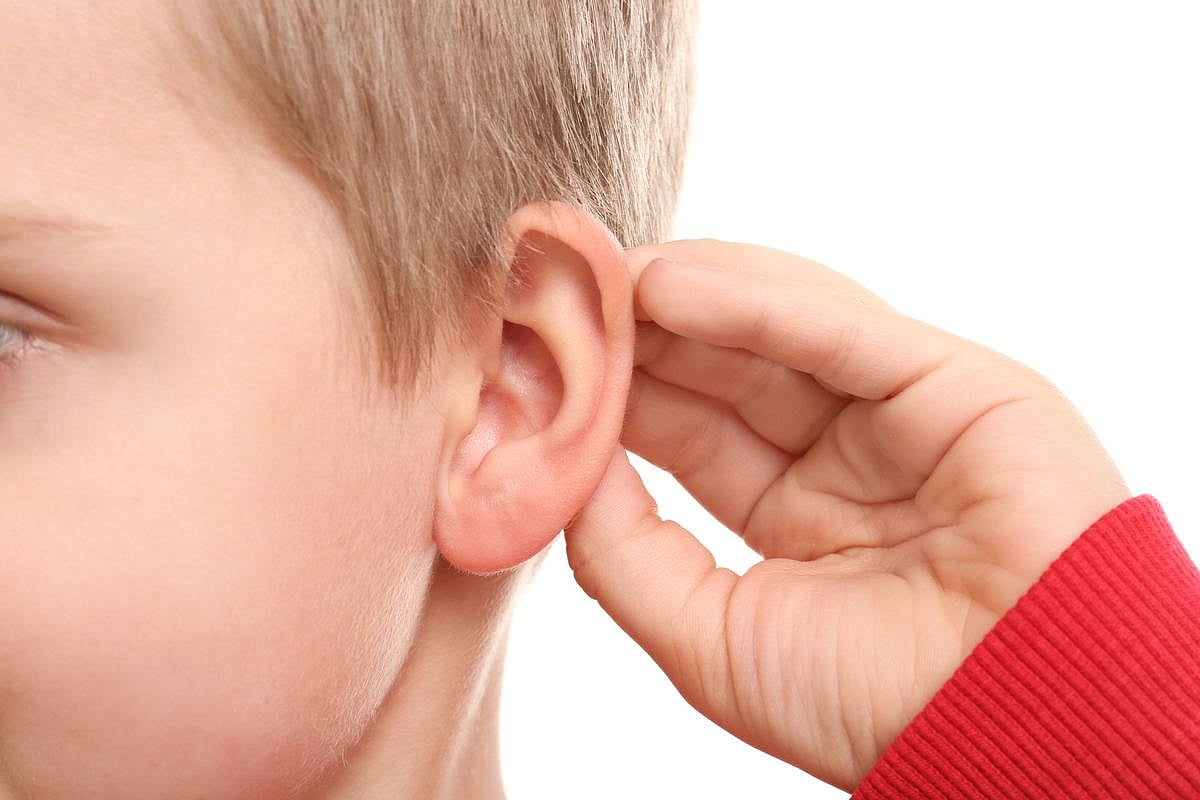 via HealthDay
THURSDAY, April 9, 2026 -- Exposure to untreated or natural water appears to be associated with increased otorrhea episodes in pediatric patients with ear tubes, according to a study published in the February issue of Otolaryngology-Head and Neck Surgery.
Alexandria L. Irace, M.D., from the University of Pennsylvania Perelman School of Medicine in Philadelphia, and colleagues investigated the association between specific types of water exposure (treated versus natural water) and the incidence of tympanostomy tube otorrhea (TTO) in pediatric patients who had undergone tympanostomy tube placement at least six months prior. The analysis included survey responses from 137 caregivers of eligible patients.
The researchers found that 49.6 percent of respondents reported recurrent TTO. When adjusting for age, smoke exposure, and other potential confounders, patients exposed to dirty water had more than tripled odds of developing recurrent TTO versus patients not exposed to dirty water (odds ratio, 3.18). There was no significant association between clean water exposure and TTO. Findings persisted when comparing patients with zero versus one or more episode of TTO and fewer than two versus two or more episodes of TTO.
"The role of water precautions in tympanostomy tubes has been extensively debated, yet empirical evidence regarding the impact of water type and otorrhea risk is limited," coauthor Kavita Dedhia, M.D., also from the University of Pennsylvania, said in a statement. "Although this is not a definitive study, it can guide providers to counsel families on when to consider water precautions."
Disclaimer: Statistical data in medical articles provide general trends and do not pertain to individuals. Individual factors can vary greatly. Always seek personalized medical advice for individual healthcare decisions.
Source: HealthDay
Posted : 2026-04-10 01:59
Read more

- Use of Evaluation, Management Add-On Code G2211 Remains Below Projected Adoption Levels
- Cream Cheese Recall Upgraded Over Listeria Risk, FDA Says
- Bees and Hummingbirds May Be Consuming Small Amounts of Alcohol
- ACC: Mavacamten Efficacious for Adolescents With Obstructive Hypertrophic Cardiomyopathy
- Dementia Risk May Vary With Mentally Active Versus Passive Sitting
- Early-Life Exposure to PFAS Linked to Bone Development in Adolescence
Disclaimer
Every effort has been made to ensure that the information provided by Drugslib.com is accurate, up-to-date, and complete, but no guarantee is made to that effect. Drug information contained herein may be time sensitive. Drugslib.com information has been compiled for use by healthcare practitioners and consumers in the United States and therefore Drugslib.com does not warrant that uses outside of the United States are appropriate, unless specifically indicated otherwise. Drugslib.com's drug information does not endorse drugs, diagnose patients or recommend therapy. Drugslib.com's drug information is an informational resource designed to assist licensed healthcare practitioners in caring for their patients and/or to serve consumers viewing this service as a supplement to, and not a substitute for, the expertise, skill, knowledge and judgment of healthcare practitioners.
The absence of a warning for a given drug or drug combination in no way should be construed to indicate that the drug or drug combination is safe, effective or appropriate for any given patient. Drugslib.com does not assume any responsibility for any aspect of healthcare administered with the aid of information Drugslib.com provides. The information contained herein is not intended to cover all possible uses, directions, precautions, warnings, drug interactions, allergic reactions, or adverse effects. If you have questions about the drugs you are taking, check with your doctor, nurse or pharmacist.
Popular Keywords
- metformin obat apa
- alahan panjang
- glimepiride obat apa
- takikardia adalah
- erau ernie
- pradiabetes
- besar88
- atrofi adalah
- kutu anjing
- trakeostomi
- mayzent pi
- enbrel auto injector not working
- enbrel interactions
- lenvima life expectancy
- leqvio pi
- what is lenvima
- lenvima pi
- empagliflozin-linagliptin
- encourage foundation for enbrel
- qulipta drug interactions