
High-Puff Vapes Become More Toxic Over Time, Study Says
Medically reviewed by Drugs.com
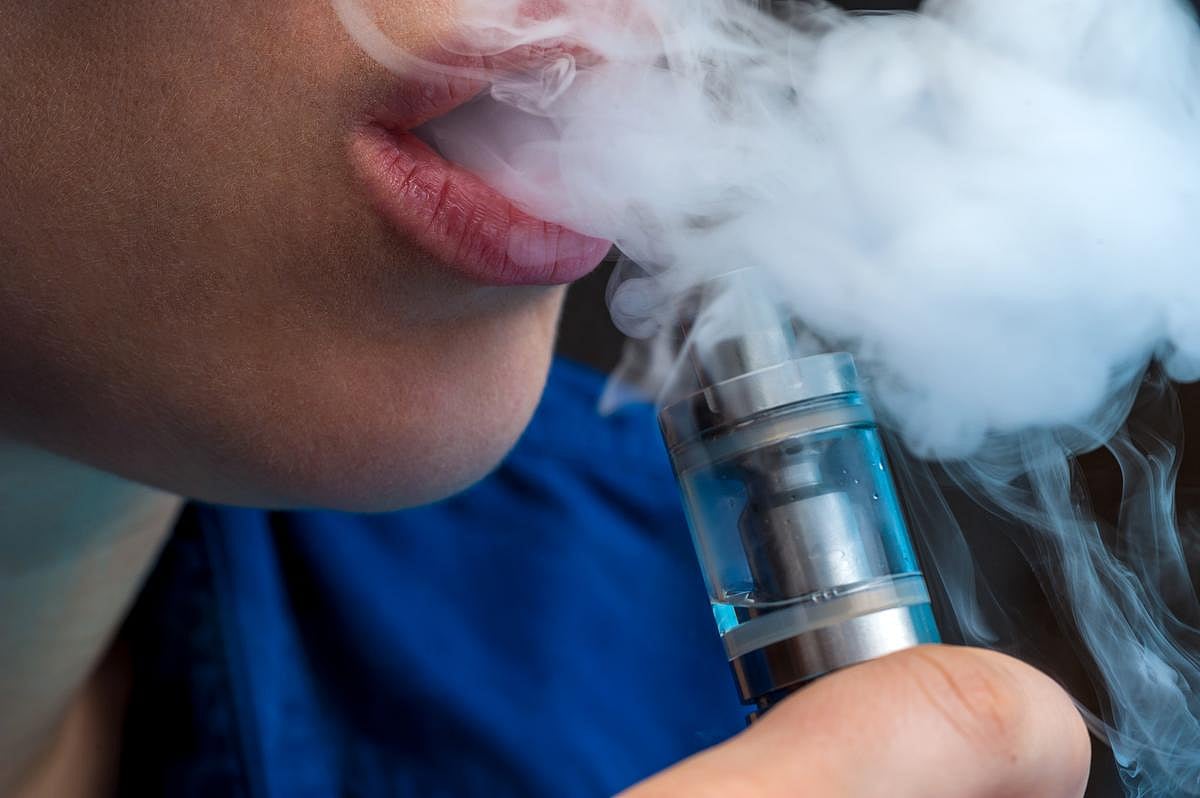 via HealthDay
WEDNESDAY, June 3, 2026 — E-cigarettes that offer a lot of extra puffs might become more toxic the longer they are used, a new study says.
High-puff vapes can typically deliver into the thousands of inhalations before they run out, because they hold more e-liquid and are designed for extended use, researchers said.
But toxic chemicals called aldehydes start building up in the e-liquid as it is repeatedly exposed to vapor-producing heat, researchers reported May 28 in the journal ACS Omega.
“Our findings suggest that the fluid remaining in a heavily used device has a very different and measurably more toxic chemical profile than fresh e-liquid,” said senior researcher Prue Talbot, a professor of molecular cell and systems biology at the University of California-Riverside (UCR).
“Chemical levels varied across brands, but our overall findings show extended use of high-puff disposable vapes may lead to greater accumulation of harmful byproducts,” Talbot said in a news release.
For the study, researchers analyzed liquid from 77 discarded vape devices representing 20 different brands. Puff counts on the devices ranged from 300 to 6,000.
Specifically, the team looked for chemicals called aldehydes known to form when vape liquids are heated.
Researchers found that levels of several toxic aldehydes increased significantly after the devices were used, including methylglyoxal (MGO), glyoxal (GO), and formaldehyde.
“Formaldehyde is a recognized carcinogen,” said lead researcher Esther Omaiye, a postdoctoral scholar at UCR.
What’s more, these chemicals reached alarming levels in high-puff e-cigarettes, the study found.
To see whether these levels might harm users, researchers exposed human lung cells to MGO and another aldehyde called acetaldehyde.
MGO caused significant cell damage, proving 10 to 100 times more toxic than acetaldehyde, researchers reported.
“These are not trace amounts,” Omaiye said in the release. “When tested on human lung cells, these aldehydes caused measurable damage.”
People who vape should exercise caution with high-puff devices, particularly as they near the end of their e-liquid, researchers said.
“Until regulatory standards catch up and require testing across the full use cycle of a device, consumers have no way of knowing what they are actually inhaling late in a device’s life,“ Omaiye said.
“Puff count is not just a marketing figure," Talbot said. "It is a variable that directly affects chemical exposure and must be incorporated into safety assessments.”
Sources
Disclaimer: Statistical data in medical articles provide general trends and do not pertain to individuals. Individual factors can vary greatly. Always seek personalized medical advice for individual healthcare decisions.
Source: HealthDay
Posted : 2026-06-03 23:39
Read more

Disclaimer
Every effort has been made to ensure that the information provided by Drugslib.com is accurate, up-to-date, and complete, but no guarantee is made to that effect. Drug information contained herein may be time sensitive. Drugslib.com information has been compiled for use by healthcare practitioners and consumers in the United States and therefore Drugslib.com does not warrant that uses outside of the United States are appropriate, unless specifically indicated otherwise. Drugslib.com's drug information does not endorse drugs, diagnose patients or recommend therapy. Drugslib.com's drug information is an informational resource designed to assist licensed healthcare practitioners in caring for their patients and/or to serve consumers viewing this service as a supplement to, and not a substitute for, the expertise, skill, knowledge and judgment of healthcare practitioners.
The absence of a warning for a given drug or drug combination in no way should be construed to indicate that the drug or drug combination is safe, effective or appropriate for any given patient. Drugslib.com does not assume any responsibility for any aspect of healthcare administered with the aid of information Drugslib.com provides. The information contained herein is not intended to cover all possible uses, directions, precautions, warnings, drug interactions, allergic reactions, or adverse effects. If you have questions about the drugs you are taking, check with your doctor, nurse or pharmacist.
Popular Keywords
- metformin obat apa
- alahan panjang
- glimepiride obat apa
- takikardia adalah
- erau ernie
- pradiabetes
- besar88
- atrofi adalah
- kutu anjing
- trakeostomi
- mayzent pi
- enbrel auto injector not working
- enbrel interactions
- lenvima life expectancy
- leqvio pi
- what is lenvima
- lenvima pi
- empagliflozin-linagliptin
- encourage foundation for enbrel
- qulipta drug interactions