
Inflammation Linked To Brain Damage, Memory Problems Among Football Players
 via HealthDay
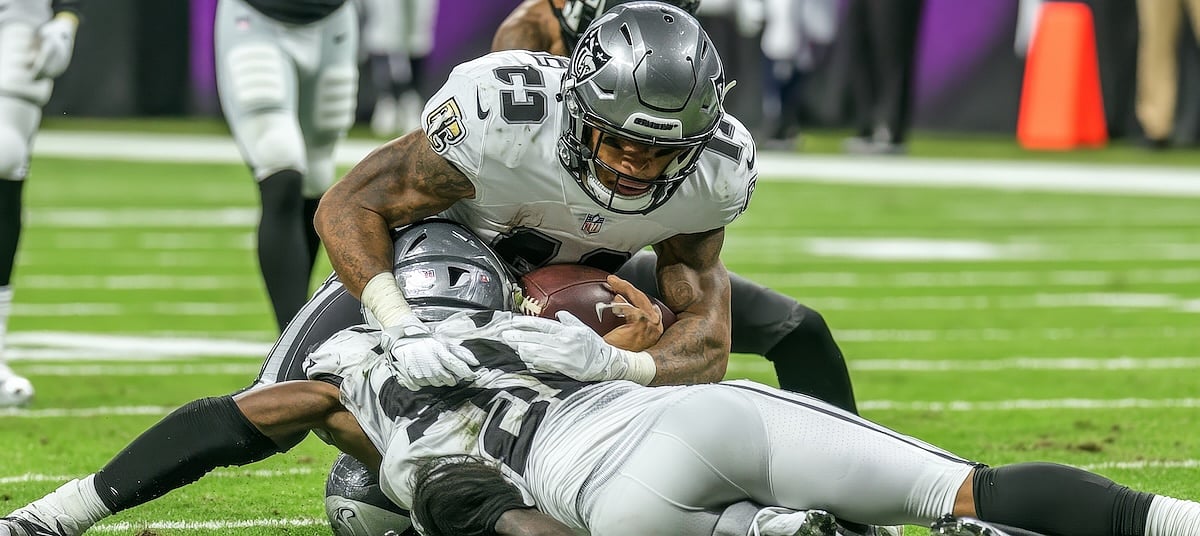
THURSDAY, Feb. 26, 2026 — Inflammation caused by repetitive head impacts might help explain why some former football players develop brain problems later in life, a new study says.
Higher levels of inflammation are associated with damage in the brain’s white matter, according to a study of former college and professional football players published Feb. 25 in the journal Neurology.
This brain damage is linked to worse memory, researchers say.
“Experiencing repetitive head impacts during contact sports like American football has been found in previous research to increase the risk for neurodegenerative diseases like CTE (chronic traumatic encephalopathy),” said senior researcher Breton Asken, an assistant professor of clinical and health psychology at the University of Florida in Gainesville.
“However, the paths linking these head impacts to symptoms later in life are not well understood,” Asken said in a news release. “Our study found that higher levels of inflammation were associated with brain changes that were, in turn, related to poorer cognition.”
CTE is a degenerative brain disease that can lead to brain decline and dementia, researchers said in background notes. It's been linked to concussions and repetitive head impacts.
For the new study, researchers analyzed 223 men, of whom 170 played college or professional football. All were in their late 50s.
Researchers tested each person’s blood and spinal fluid for markers related to inflammation, and used MRI scans to evaluate their brain structure. Participants also underwent evaluation for symptoms related to CTE.
Results showed that 59% of the football players had developed cognitive decline and 58% had an impaired ability to manage their emotions and behavior. Among non-players, none had cognitive decline and only 2% reported trouble managing emotions and behavior.
Higher levels of inflammation were associated with damage in the white matter of the brain, particularly the limbic system, researchers said. The limbic system helps regulate emotions, motivation, memory and other behaviors.
This white matter damage in football players was associated with worse memory, researchers found.
Further, these links were stronger among 57 football players most likely to have CTE, researchers said.
“Because the limbic system influences both cognition and behavior, targeting inflammation could offer a way to potentially reduce the risk for developing brain changes that lead to worsening symptoms associated with repetitive head injuries,” Asken said.
Inflammation also could be used as a means of detecting and diagnosing CTE, researchers noted in their study.
“We are excited to continue to explore this path in future research,” Asken said.
Sources
Disclaimer: Statistical data in medical articles provide general trends and do not pertain to individuals. Individual factors can vary greatly. Always seek personalized medical advice for individual healthcare decisions.
Source: HealthDay



Posted : 2026-02-27 01:47
Read more

- Novartis Cosentyx Receives FDA Approval for Pediatric Patients Aged 12+ with Moderate to Severe Hidradenitis Suppurativa
- Mammograms May Also Reveal Hidden Heart Disease Risk, Study Finds
- Rapid Practice Points Developed for RSV Vaccines in Adults
- About 81,000 Baby Monitors Recalled Over Possible Fire Risk
- FDA Provides Fast Track Designation to Nipocalimab for Systemic Lupus Erythematosus
- GLP-1 Receptor Agonists Similarly Effective Across Age, Race, Starting Weight
Disclaimer
Every effort has been made to ensure that the information provided by Drugslib.com is accurate, up-to-date, and complete, but no guarantee is made to that effect. Drug information contained herein may be time sensitive. Drugslib.com information has been compiled for use by healthcare practitioners and consumers in the United States and therefore Drugslib.com does not warrant that uses outside of the United States are appropriate, unless specifically indicated otherwise. Drugslib.com's drug information does not endorse drugs, diagnose patients or recommend therapy. Drugslib.com's drug information is an informational resource designed to assist licensed healthcare practitioners in caring for their patients and/or to serve consumers viewing this service as a supplement to, and not a substitute for, the expertise, skill, knowledge and judgment of healthcare practitioners.
The absence of a warning for a given drug or drug combination in no way should be construed to indicate that the drug or drug combination is safe, effective or appropriate for any given patient. Drugslib.com does not assume any responsibility for any aspect of healthcare administered with the aid of information Drugslib.com provides. The information contained herein is not intended to cover all possible uses, directions, precautions, warnings, drug interactions, allergic reactions, or adverse effects. If you have questions about the drugs you are taking, check with your doctor, nurse or pharmacist.
Popular Keywords
- metformin obat apa
- alahan panjang
- glimepiride obat apa
- takikardia adalah
- erau ernie
- pradiabetes
- besar88
- atrofi adalah
- kutu anjing
- trakeostomi
- mayzent pi
- enbrel auto injector not working
- enbrel interactions
- lenvima life expectancy
- leqvio pi
- what is lenvima
- lenvima pi
- empagliflozin-linagliptin
- encourage foundation for enbrel
- qulipta drug interactions