
Mammograms May Also Reveal Hidden Heart Disease Risk, Study Finds

 via HealthDay
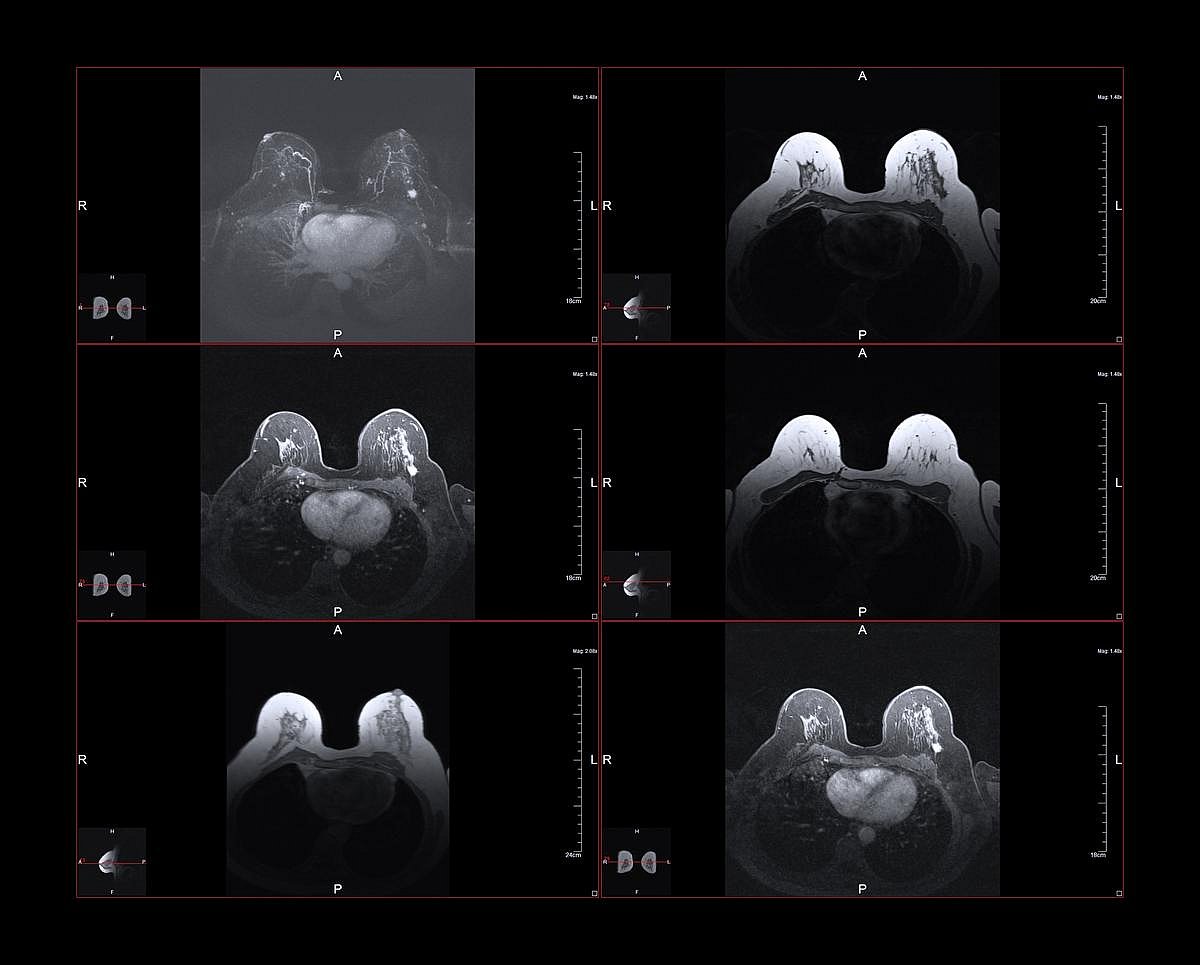
TUESDAY, March 10, 2026 — A routine mammogram may reveal more than just signs of breast cancer.
New research suggests the scans could also help docs spot early warning signs of heart disease, the leading cause of death in women.
In the study, published March 9 in the European Heart Journal, scientists used artificial intelligence (AI) to examine more than 120,000 mammograms. The technology measured calcium deposits in arteries that run through breast tissue.
These calcium deposits, called breast artery calcification (BAC), can cause blood vessels to stiffen, a possible sign of heart failure.
Researchers found that women with the highest levels of calcification had double the risk of major heart problems, including heart attacks, stroke, heart failure and death, compared with women whose scans showed no calcification.
The findings could have a big impact because more than 40 million people in the United States receive mammograms every year.
For decades, doctors have noticed calcium depostis in these scans. But until recently, the information was rarely used to assess heart health.
AI now allows researchers to measure these deposits more precisely and on a large scale.
“If there is a way to educate women in a place ‘where they are’ anyway, like when getting a mammogram, it could be a game changer,” Dr. Mary Cushman, a professor of pathology and laboratory medicine at the University of Vermont who was not involved in the study, told The Washington Post.
Cushman said the findings were especially important for younger women.
“It is a clarion call that younger women do have risk, that it can be detected, and that detection of risk should lead to interventions to reduce risk, even at young ages,” she said.
Many women mistakenly think breast cancer is the top health threat they face. But heart disease causes far more deaths.
In fact, a recent report from the American Heart Association shows awareness of heart disease risk among women has been dropping in recent years, even as cases increase.
“Women are very under-screened and under-detected for cardiovascular disease,” Dr. Hari Trivedi, a radiology professor at Emory University, told The Post.
This gap helped inspire the research.
Nearly 70% of women age 40 or older stay up to date on mammograms, according to the American Cancer Society.
The researchers analyzed mammograms from about 74,000 women treated at Emory Healthcare in Atlanta and nearly 50,000 women in the Mayo Clinic Enterprise.
Using AI, the team sorted artery deposits into four categories, ranging from none to severe.
Then the women were followed for about seven years on average to see who developed heart problems.
Those with severe calcification had twice the risk of a cardiovascular event compared with women with no calcium in the arteries.
Experts say the results do not mean mammograms should replace traditional heart screenings such as blood pressure or cholesterol tests.
But the scans could provide another early warning sign.
“I love the technology and I love the test,” Trivedi said. “But the answer is there is not yet any evidence to support that having a BAC score can alter your care or management.”
Some clinics already offer AI tools that detect these calcium deposits, though sometimes for an extra fee.
Doctors say the real benefit may come if the information is routinely reported.
“If radiologists start reporting it, we’ll start to accumulate the data we need — that’s the first step. There’s a trove of data here that’s been ignored,” said Dr. Lori Daniels of the University of California San Diego, who wrote an editorial about the research.
“Sometimes when people see a visualization of what’s going on in their arteries, something clicks and they get motivated,” she added.
Sources
Disclaimer: Statistical data in medical articles provide general trends and do not pertain to individuals. Individual factors can vary greatly. Always seek personalized medical advice for individual healthcare decisions.
Source: HealthDay
Posted : 2026-03-11 01:42
Read more

- Direct-Acting Antiviral Prescribing for Hep C Peaked in 2015, Then Declined
- Preterm Birth Up With Periconceptional GLP-1 Receptor Agonist Exposure for Diabetes
- High Ambient Temperatures Linked to CKD Prevalence, ESKD Incidence
- FDA Warns Novo Nordisk Broke Safety Reporting Rules
- Biogen Presents Additional Salanersen Data Showing New Motor Milestones Achieved in Children with SMA Previously Treated with Gene Therapy
- Increase in Labor Induction Rates Seen From 2016 to 2024
Disclaimer
Every effort has been made to ensure that the information provided by Drugslib.com is accurate, up-to-date, and complete, but no guarantee is made to that effect. Drug information contained herein may be time sensitive. Drugslib.com information has been compiled for use by healthcare practitioners and consumers in the United States and therefore Drugslib.com does not warrant that uses outside of the United States are appropriate, unless specifically indicated otherwise. Drugslib.com's drug information does not endorse drugs, diagnose patients or recommend therapy. Drugslib.com's drug information is an informational resource designed to assist licensed healthcare practitioners in caring for their patients and/or to serve consumers viewing this service as a supplement to, and not a substitute for, the expertise, skill, knowledge and judgment of healthcare practitioners.
The absence of a warning for a given drug or drug combination in no way should be construed to indicate that the drug or drug combination is safe, effective or appropriate for any given patient. Drugslib.com does not assume any responsibility for any aspect of healthcare administered with the aid of information Drugslib.com provides. The information contained herein is not intended to cover all possible uses, directions, precautions, warnings, drug interactions, allergic reactions, or adverse effects. If you have questions about the drugs you are taking, check with your doctor, nurse or pharmacist.
Popular Keywords
- metformin obat apa
- alahan panjang
- glimepiride obat apa
- takikardia adalah
- erau ernie
- pradiabetes
- besar88
- atrofi adalah
- kutu anjing
- trakeostomi
- mayzent pi
- enbrel auto injector not working
- enbrel interactions
- lenvima life expectancy
- leqvio pi
- what is lenvima
- lenvima pi
- empagliflozin-linagliptin
- encourage foundation for enbrel
- qulipta drug interactions