
Naloxone's OD-Reversing Powers Challenged By Today's Opioids, Tests Show
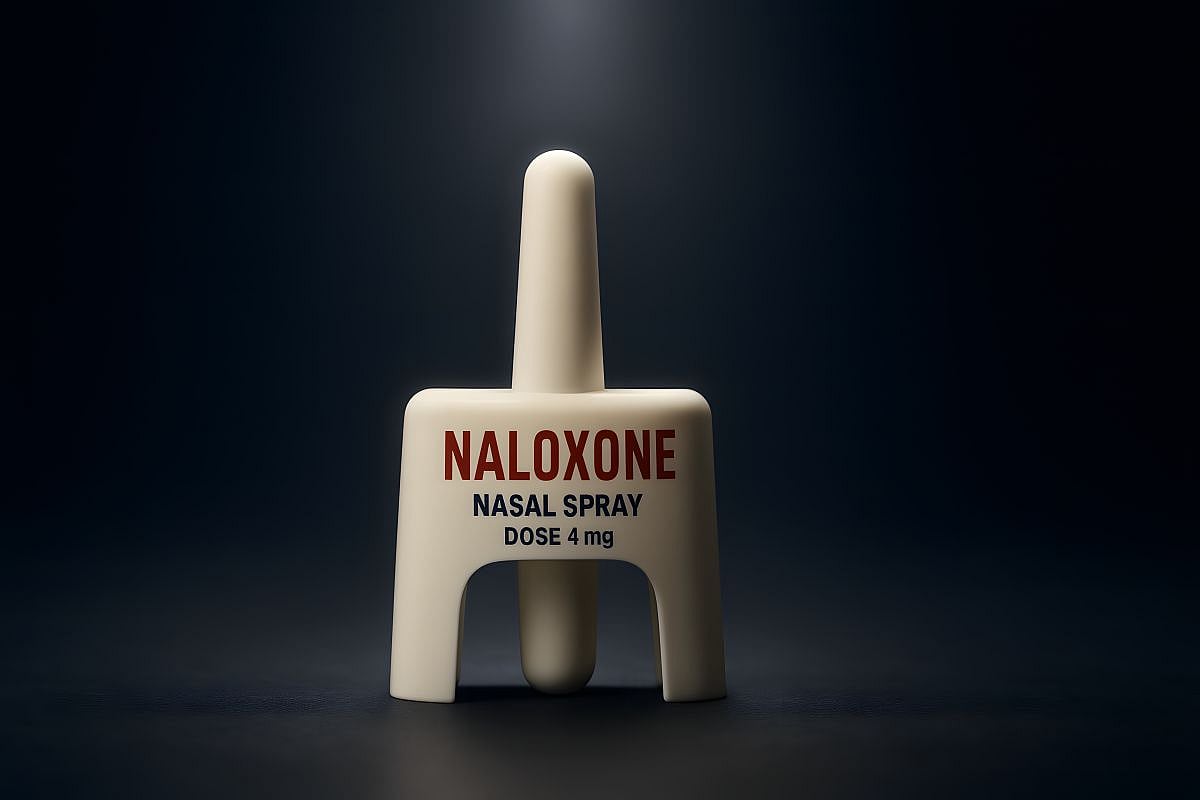 via HealthDay
MONDAY, April 20, 2026 — The overdose-reversing drug naloxone has been rightly hailed as a lifesaving breakthrough, saving countless lives from opioid ODs.
But a new study warns that the wonder drug has its limits, especially when confronted with overdoses involving the powerful new wave of synthetic opioids like fentanyl.
Naloxone may not fully reverse ODs caused by synthetic opioids, researchers report in the May issue of the journal Anesthesiology.
As a result, bystanders should be ready to give additional doses of naloxone if the first doesn’t restore an overdose victim’s breathing, researchers said.
“Our study shows that the current doses of naloxone may not be sufficient to reverse overdoses caused by newer synthetic opioids,” lead researcher Maarten van Lemmen of the pain research unit at Leiden University Medical Center in the Netherlands said in a news release.
For the study, researchers tracked how naloxone worked among 30 patients fed a continuous drip of fentanyl or sufentanil until their breathing slowed. Of the patients, 12 had never used opioids and 18 were daily opioid users.
Fentanyl and other synthetic opioids now account for 60% to 79% of overdose deaths in the U.S., researchers said in background notes.
Naloxone works by binding to opioid receptors in the brain and nervous system without activating them. This blocks any opioids already present in a person’s body, reversing their overdose.
But synthetic opioids bind more tightly to these receptors, making them harder to reverse with a standard dose of naloxone, researchers said.
Results showed that naloxone restored breath within 2 to 4 minutes across all participants, but its effects were diminished.
Patients appeared to be awake and partially alert, but tests showed that their breathing had not fully recovered, researchers said.
Because naloxone is less reliable against synthetic opioids, researchers said it’s vital to call 911 immediately for any suspected overdose – even if naloxone has been administered.
It’s also possible that the effects of naloxone might wear off quickly, so people should be ready to provide additional doses while waiting for medical help.
Guidelines regarding naloxone should be updated to reflect the threat from more powerful opioids, researchers said. Standard doses of naloxone might need to be increased, or multiple doses provided to people prescribed opioids.
Sources
Disclaimer: Statistical data in medical articles provide general trends and do not pertain to individuals. Individual factors can vary greatly. Always seek personalized medical advice for individual healthcare decisions.
Source: HealthDay
Posted : 2026-04-21 09:10
Read more

Disclaimer
Every effort has been made to ensure that the information provided by Drugslib.com is accurate, up-to-date, and complete, but no guarantee is made to that effect. Drug information contained herein may be time sensitive. Drugslib.com information has been compiled for use by healthcare practitioners and consumers in the United States and therefore Drugslib.com does not warrant that uses outside of the United States are appropriate, unless specifically indicated otherwise. Drugslib.com's drug information does not endorse drugs, diagnose patients or recommend therapy. Drugslib.com's drug information is an informational resource designed to assist licensed healthcare practitioners in caring for their patients and/or to serve consumers viewing this service as a supplement to, and not a substitute for, the expertise, skill, knowledge and judgment of healthcare practitioners.
The absence of a warning for a given drug or drug combination in no way should be construed to indicate that the drug or drug combination is safe, effective or appropriate for any given patient. Drugslib.com does not assume any responsibility for any aspect of healthcare administered with the aid of information Drugslib.com provides. The information contained herein is not intended to cover all possible uses, directions, precautions, warnings, drug interactions, allergic reactions, or adverse effects. If you have questions about the drugs you are taking, check with your doctor, nurse or pharmacist.
Popular Keywords
- metformin obat apa
- alahan panjang
- glimepiride obat apa
- takikardia adalah
- erau ernie
- pradiabetes
- besar88
- atrofi adalah
- kutu anjing
- trakeostomi
- mayzent pi
- enbrel auto injector not working
- enbrel interactions
- lenvima life expectancy
- leqvio pi
- what is lenvima
- lenvima pi
- empagliflozin-linagliptin
- encourage foundation for enbrel
- qulipta drug interactions