
New FDA Proposal Aims to Help Patients With Hard-to-Treat Diseases
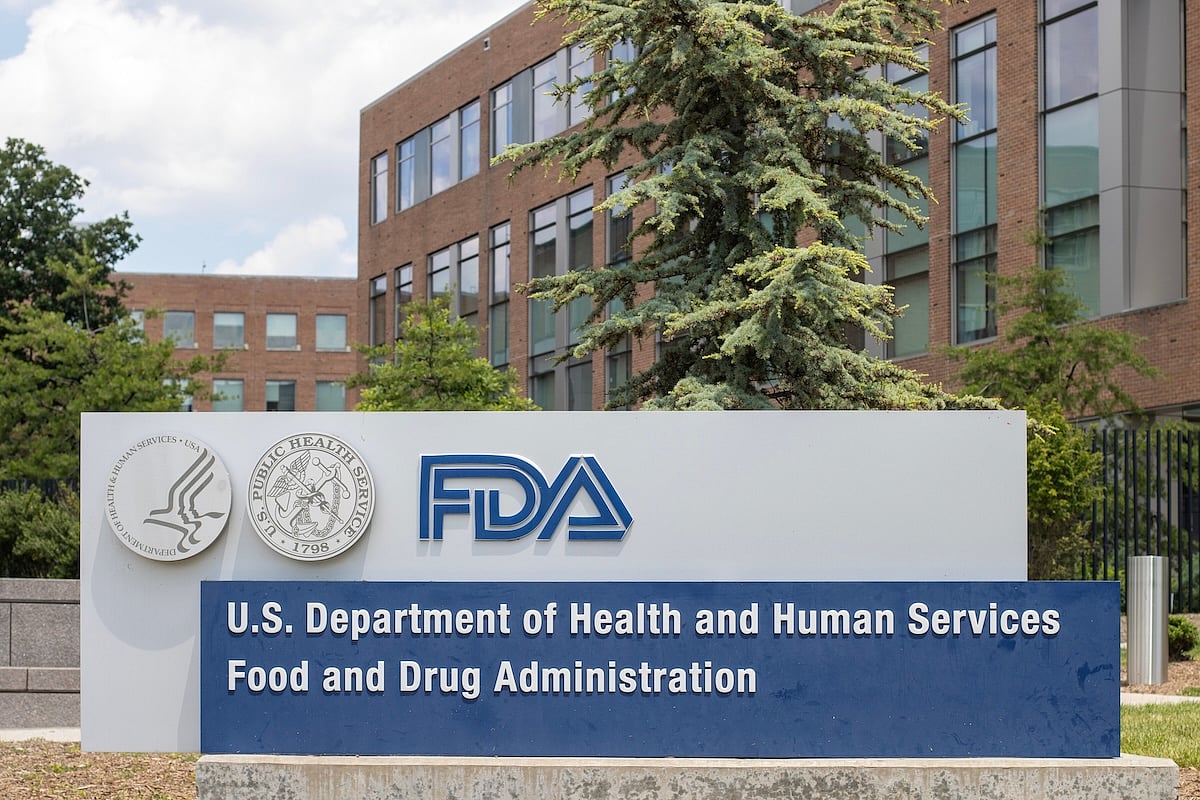 via HealthDay
TUESDAY, Feb. 24, 2026 — U.S. health officials are proposing a new way to develop and approve custom-made treatments for people with rare and hard-to-treat conditions.
The U.S. Food and Drug Administration (FDA) just released a draft of guidelines that would create a special pathway for therapies designed for just a small number of people. Drug companies often avoid these, because they are considered unprofitable.
Under the proposed guidelines, these treatments might only be tested in a handful of patients, instead large group studies.
The FDA said the approach could apply to gene-editing treatments, as well as other types of drugs and therapies.
“It is our priority to remove barriers and exercise regulatory flexibility to encourage scientific advances and deliver more cures and meaningful treatments for patients suffering from rare diseases,” FDA Commissioner Dr. Marty Makary said.
Many rare diseases affect only a few people worldwide. Because of that, drug companies are reluctant to invest the time and money needed to run large studies and bring a drug through the typical approval process, which can take 10 years or more.
Traditionally, the FDA requires strong evidence from large clinical trials. For super rare conditions, that kind of study may not be possible.
Researchers and advocacy groups have pushed for years for a different system that better fits these rare diseases, The Associated Press reported.
Under the proposal, the FDA would allow certain experimental, custom treatments to move forward if scientists can show a clear reason the therapy should work, something the agency calls a “plausible mechanism.”
That means researchers would need to prove:
If those standards are met, companies may be allowed not only to use the treatment, but also commercialize it.
Right now, the FDA sometimes allows experimental drugs through a process known as "compassionate use." This lets very sick patients try unapproved treatments when no other options exist.
But the process is complex, slow and does not allow companies to profit from the treatment.
The new method is intended to create a clearer, more practical process — one that could make custom treatments more available to patients who desperately need them.
FDA officials stressed that these guidelines are not final rules. The agency will accept comments for 60 days before deciding whether to finalize the proposal.
The announcement follows other recent FDA changes, including Makary’s decision last week to move away from the long-standing requirement that drugs must pass two major clinical trials before approval.
Sources
Disclaimer: Statistical data in medical articles provide general trends and do not pertain to individuals. Individual factors can vary greatly. Always seek personalized medical advice for individual healthcare decisions.
Source: HealthDay
Posted : 2026-02-25 01:56
Read more

- Zepbound (tirzepatide) Now Available in Multi-Dose KwikPen
- Death, Major Morbidity Reported in 87 Percent With Single-Ventricle Disease
- FDA Approves Label Update for Kite’s Yescarta for Relapsed/Refractory Primary Central Nervous System Lymphoma
- About 81,000 Baby Monitors Recalled Over Possible Fire Risk
- Why You And Your Pooch Share Similar Reactions to Life
Disclaimer
Every effort has been made to ensure that the information provided by Drugslib.com is accurate, up-to-date, and complete, but no guarantee is made to that effect. Drug information contained herein may be time sensitive. Drugslib.com information has been compiled for use by healthcare practitioners and consumers in the United States and therefore Drugslib.com does not warrant that uses outside of the United States are appropriate, unless specifically indicated otherwise. Drugslib.com's drug information does not endorse drugs, diagnose patients or recommend therapy. Drugslib.com's drug information is an informational resource designed to assist licensed healthcare practitioners in caring for their patients and/or to serve consumers viewing this service as a supplement to, and not a substitute for, the expertise, skill, knowledge and judgment of healthcare practitioners.
The absence of a warning for a given drug or drug combination in no way should be construed to indicate that the drug or drug combination is safe, effective or appropriate for any given patient. Drugslib.com does not assume any responsibility for any aspect of healthcare administered with the aid of information Drugslib.com provides. The information contained herein is not intended to cover all possible uses, directions, precautions, warnings, drug interactions, allergic reactions, or adverse effects. If you have questions about the drugs you are taking, check with your doctor, nurse or pharmacist.
Popular Keywords
- metformin obat apa
- alahan panjang
- glimepiride obat apa
- takikardia adalah
- erau ernie
- pradiabetes
- besar88
- atrofi adalah
- kutu anjing
- trakeostomi
- mayzent pi
- enbrel auto injector not working
- enbrel interactions
- lenvima life expectancy
- leqvio pi
- what is lenvima
- lenvima pi
- empagliflozin-linagliptin
- encourage foundation for enbrel
- qulipta drug interactions