
Pooled Umbilical Cord Blood Boosts Stem Cell Transplant Success, Trial Finds
 via HealthDay
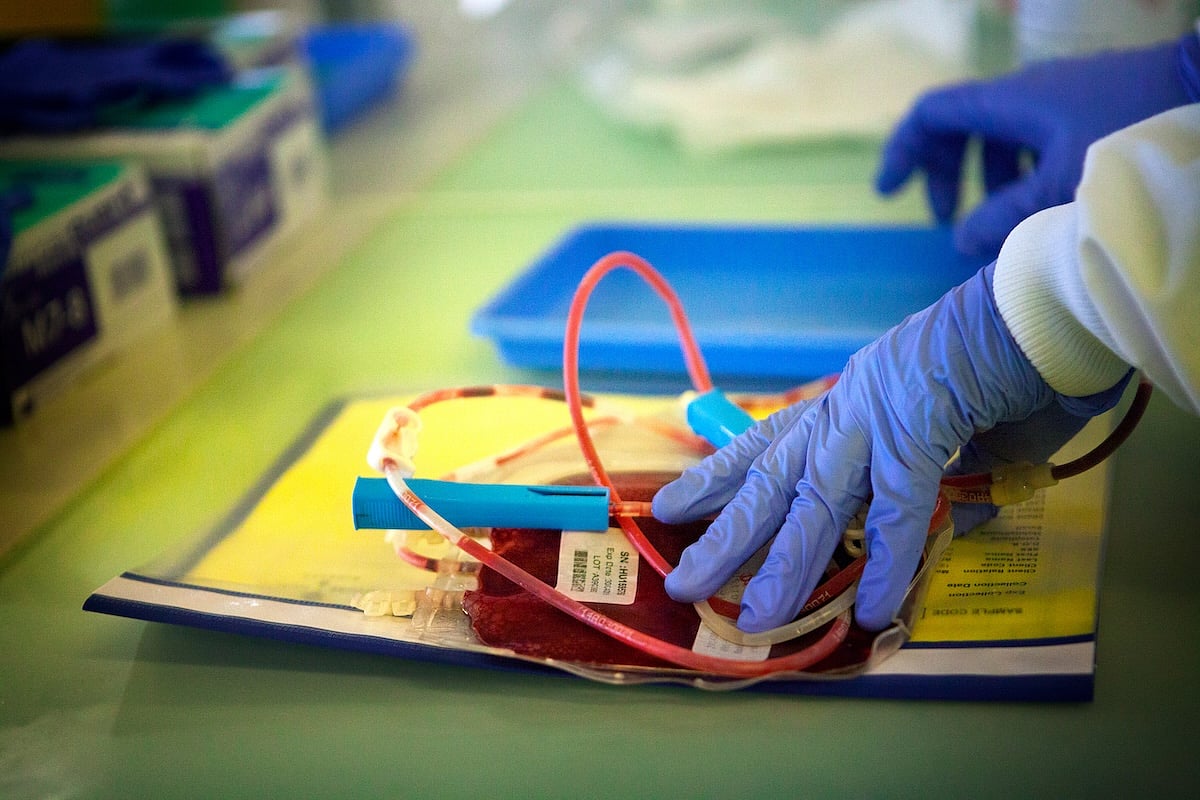
WEDNESDAY, April 29, 2026 — A new way of using umbilical cord blood — by pooling blood from multiple donors — could make it easier to receive a stem cell transplant for leukemia, a new study says.
Nearly everyone in a small group of patients who received these pooled transplants survived at least one year without severe signs of rejection, researchers reported April 27 in the Journal of Clinical Oncology.
“This is the first time transplant patients received cells from what amounts to nine different human beings,” lead researcher Dr. Filippo Milano, director of the Cord Blood Program at Fred Hutchinson Cancer Center in Seattle, said in a news release.
Umbilical cord blood donations can help patients with blood cancer or other blood diseases who need a stem cell transplant, which essentially creates a healthy reset for a person’s blood-producing bone marrow.
Stem cells in cord blood do not have to be as stringently matched to be safe and effective, making them a good option for people who lack a close donor match, researchers said.
However, the number of cells in a single unit of donated cord blood is often too small to help any given patient, researchers said.
For this trial, researchers created a new stem cell product called dilanubicel (Deverra Therapeutics), which combines blood stem cells isolated from six to eight different units of donated cord blood. Those stem cells are nurtured in a lab and allowed to grow and expand before they are infused into a patient.
The team recruited 28 patients with leukemia or myelodysplastic syndrome — two types of blood cancer — to receive dilanubicel along with a single unit of cord blood.
Results showed that 27 of the 28 patients survived at least one year, with none experiencing severe symptoms related to rejection of the transplant.
One patient died, and another relapsed nearly a year after the transplant and received another treatment. That patient is now at least a year into remission.
Researchers found that the pooled stem cells did not engraft long-term into the patient’s bone marrow, but they provided essential early immune support. A week after transplant, the patients’ blood consistently showed recovery driven by dilanubicel.
“The cells from the pooled donor stem cell product did not remain long term, but they all helped the matched cord blood donor establish a new, healthy immune system in the patient,” Milano said.
Researchers are now seeking additional funding for follow-up clinical trials that include more patients.
“Cord blood continues to be an important option for people who need a stem cell transplant, especially those with high-risk disease,” Milano said.
Sources
Disclaimer: Statistical data in medical articles provide general trends and do not pertain to individuals. Individual factors can vary greatly. Always seek personalized medical advice for individual healthcare decisions.
Source: HealthDay
Posted : 2026-04-30 02:19
Read more

Disclaimer
Every effort has been made to ensure that the information provided by Drugslib.com is accurate, up-to-date, and complete, but no guarantee is made to that effect. Drug information contained herein may be time sensitive. Drugslib.com information has been compiled for use by healthcare practitioners and consumers in the United States and therefore Drugslib.com does not warrant that uses outside of the United States are appropriate, unless specifically indicated otherwise. Drugslib.com's drug information does not endorse drugs, diagnose patients or recommend therapy. Drugslib.com's drug information is an informational resource designed to assist licensed healthcare practitioners in caring for their patients and/or to serve consumers viewing this service as a supplement to, and not a substitute for, the expertise, skill, knowledge and judgment of healthcare practitioners.
The absence of a warning for a given drug or drug combination in no way should be construed to indicate that the drug or drug combination is safe, effective or appropriate for any given patient. Drugslib.com does not assume any responsibility for any aspect of healthcare administered with the aid of information Drugslib.com provides. The information contained herein is not intended to cover all possible uses, directions, precautions, warnings, drug interactions, allergic reactions, or adverse effects. If you have questions about the drugs you are taking, check with your doctor, nurse or pharmacist.
Popular Keywords
- metformin obat apa
- alahan panjang
- glimepiride obat apa
- takikardia adalah
- erau ernie
- pradiabetes
- besar88
- atrofi adalah
- kutu anjing
- trakeostomi
- mayzent pi
- enbrel auto injector not working
- enbrel interactions
- lenvima life expectancy
- leqvio pi
- what is lenvima
- lenvima pi
- empagliflozin-linagliptin
- encourage foundation for enbrel
- qulipta drug interactions