
Study Links High Antioxidant Intake To Changes in Offspring Development

Medically reviewed by Drugs.com
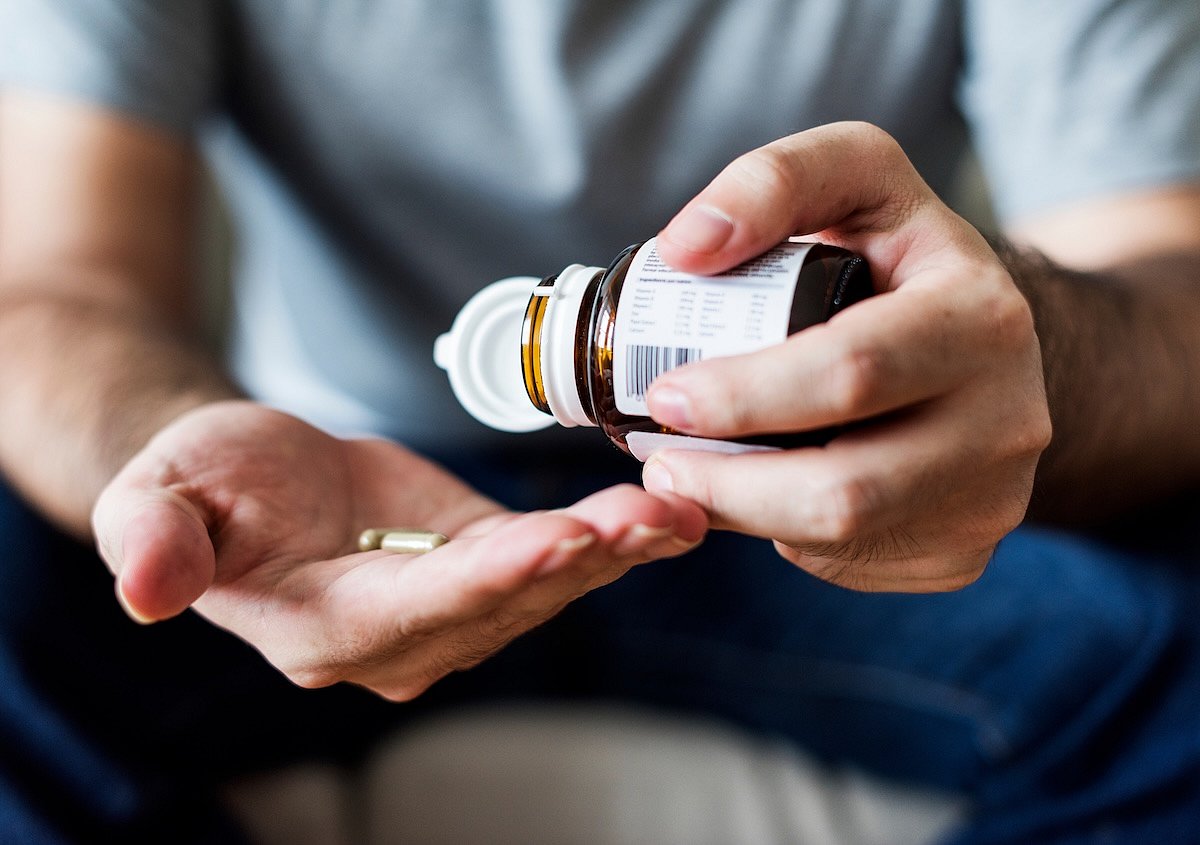 via HealthDay
SUNDAY, March 29, 2026 — Antioxidants are often seen as a good, simple way to boost health, but taking too many may come with some risks, new research suggests.
A study from Texas A&M University found that high doses of certain antioxidants may affect sperm and lead to developmental changes in offspring.
The research, published recently in the journal Frontiers in Cell and Developmental Biology, focused on two antioxidants: N-acetyl-L-cysteine (NAC) and selenium.
Male mice given these supplements for six weeks went on to have offspring with noticeable changes in skull and facial structure.
The fathers themselves appeared healthy, researchers said.
The study suggests that too many antioxidants may alter sperm DNA, which could affect how offspring develop.
"We know alcohol causes oxidative stress and we were looking to push back on it by adding a supplement known to lower oxidative stress," said lead researcher Dr. Michael Golding, a professor in the Department of Veterinary Physiology & Pharmacology at Texas A&M University.
"When we realized that offspring born to males that had only been given NAC were displaying skull and facial differences, it was a surprise because this molecule is universally thought to be good," he added in a news release.
While the results of research in animals are not always the same in people, the findings raise concerns for men who regularly take high-dose supplements, especially for those planning to have kids.
Antioxidants like NAC are widely used and are often included in multivitamins. But more is not always better, experts said.
"When we sat down to think it through, we realized that it makes sense — you take a multivitamin to ensure that you're in balance, but if the thing that you're taking to ensure you're in balance is unbalanced (the dose of antioxidants is too high), then you're not doing a good thing," Golding said.
Previous research has also found that very high antioxidant intake can reduce the benefits of exercise and affect athletic performance.
"Sperm health is another performance metric; it’s just not one that we think about in everyday life," Golding added.
Researchers also noticed stronger physical changes in female offspring, including smaller skulls and closer-set eyes.
These traits are oftentimes linked to conditions like fetal alcohol syndrome, the researchers said.
"There's a very commonly accepted truism in pediatric medicine that the face mirrors the brain, because the brain and the face form at the same time," Golding said.
"So, if you see abnormalities in the midline of the face, you're probably going to see midline abnormalities in the brain," he added.
Researchers said it’s still unclear whether these changes affect brain function.
The findings show that even supplements that are considered healthy can cause harm if taken in such large amounts.
And many supplements contain these very high doses.
"If your vitamins are providing 1,000% of the recommended daily amount, you should be cautious," he said. "If you stick to the 100% range, then you should be OK."
Sources
Disclaimer: Statistical data in medical articles provide general trends and do not pertain to individuals. Individual factors can vary greatly. Always seek personalized medical advice for individual healthcare decisions.
Source: HealthDay
Posted : 2026-03-30 01:36
Read more

- Telemedicine for Mental Health Services Failing to Significantly Expand Rural Access
- New EPA Rule Could Loosen Limits on Medical Device Sterilization Gas Emissions
- Proportion of Minority Patients Undergoing Cosmetic Surgery Increasing
- FDA Drops Plan To Ban Tanning Beds for Minors Nationwide
- 'Fibermaxxing' Trend Encourages People To Eat More Fiber
- Novartis Cosentyx Receives FDA Approval for Pediatric Patients Aged 12+ with Moderate to Severe Hidradenitis Suppurativa
Disclaimer
Every effort has been made to ensure that the information provided by Drugslib.com is accurate, up-to-date, and complete, but no guarantee is made to that effect. Drug information contained herein may be time sensitive. Drugslib.com information has been compiled for use by healthcare practitioners and consumers in the United States and therefore Drugslib.com does not warrant that uses outside of the United States are appropriate, unless specifically indicated otherwise. Drugslib.com's drug information does not endorse drugs, diagnose patients or recommend therapy. Drugslib.com's drug information is an informational resource designed to assist licensed healthcare practitioners in caring for their patients and/or to serve consumers viewing this service as a supplement to, and not a substitute for, the expertise, skill, knowledge and judgment of healthcare practitioners.
The absence of a warning for a given drug or drug combination in no way should be construed to indicate that the drug or drug combination is safe, effective or appropriate for any given patient. Drugslib.com does not assume any responsibility for any aspect of healthcare administered with the aid of information Drugslib.com provides. The information contained herein is not intended to cover all possible uses, directions, precautions, warnings, drug interactions, allergic reactions, or adverse effects. If you have questions about the drugs you are taking, check with your doctor, nurse or pharmacist.
Popular Keywords
- metformin obat apa
- alahan panjang
- glimepiride obat apa
- takikardia adalah
- erau ernie
- pradiabetes
- besar88
- atrofi adalah
- kutu anjing
- trakeostomi
- mayzent pi
- enbrel auto injector not working
- enbrel interactions
- lenvima life expectancy
- leqvio pi
- what is lenvima
- lenvima pi
- empagliflozin-linagliptin
- encourage foundation for enbrel
- qulipta drug interactions