
Super Shoes Might Increase Risk Of Running Injuries, Study Says
 via HealthDay
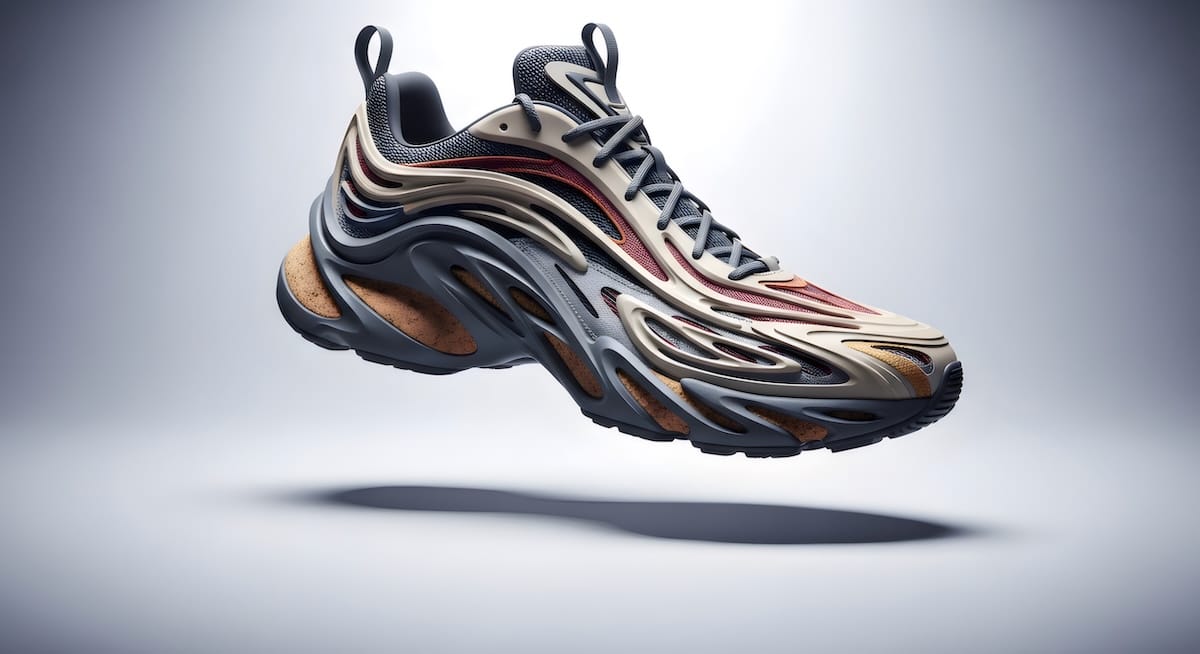
FRIDAY, May 8, 2026 — So-called “super shoes” have invaded the jogging paths of America, giving runners an extra spring in their step and trimming times posted at races and events.
But this advanced footwear technology (AFT) might have a darker side, a new study says.
The shoes cause subtle changes in running mechanics that have been linked to bone stress injuries, researchers reported recently in PM&R, journal of the American Academy of Physical Medicine and Rehabilitation.
“Our study highlights the need for careful integration of AFT into training and underscores the importance of further research to better understand long-term strategies to modify risk for injury while recognizing the exciting gains related to this footwear on performance,” senior researcher Dr. Adam Tenforde, director of running medicine at Mass General Brigham in Boston, said in a news release.
Super shoes are equipped with a carbon fiber plate and thick, lightweight foam stacks that work together to enhance forward propulsion while a person is running, according to the Mayo Clinic.
Elite runners embraced these shoes early on, and by now even casual joggers and 10K enthusiasts have started shelling out the extra bucks they cost, Mayo says.
For the new study, researchers observed 11 female and 12 male elite distance runners as they ran in three different types of shoes – regular shoes, shoes equipped with lightweight responsive foam and super shoes with highly cushioned foam and a stiff carbon fiber plate.
The runners tested the shoes at three different speeds – a training effort, a tempo run and 5-kilometer race speed. During each speed and shoe condition, researchers assessed the runners’ movements.
Results showed that AFT shoes were associated with changes linked to bone stress injuries, which are overuse injuries that can lead to bone swelling or stress fractures.
For example, runners in the super shoes had decreased cadence, or fewer steps per minute, which forces them to overstride, researchers said. Their arches also tended to collapse inward more than in regular shoes.
On the other hand, runners in AFT shoes pushed off less with their ankles, which could protect against injury, researchers added.
“AFT improves performance, but runners should balance this benefit with the possibility of subtle changes in loading on the body,” lead author Michelle Bruneau said in a news release. She’s a postdoctoral research fellow of physical medicine and rehabilitation at Spaulding Rehabilitation Hospital in Charlestown, Massachusetts.
Researchers noted that this was a small study and that it could not draw a direct cause-and-effect link between AFT shoes and running injuries.
But until more is known, they suggested that runners regularly swap out their AFT shoes for standard shoes while they are training, to lower their risk of overuse injuries from their footwear.
“Rotating shoes and gradually adapting to AFT may help reduce potential injury risk while optimizing running performance,” Bruneau said.
Sources
Disclaimer: Statistical data in medical articles provide general trends and do not pertain to individuals. Individual factors can vary greatly. Always seek personalized medical advice for individual healthcare decisions.
Source: HealthDay
Posted : 2026-05-09 02:11
Read more

Disclaimer
Every effort has been made to ensure that the information provided by Drugslib.com is accurate, up-to-date, and complete, but no guarantee is made to that effect. Drug information contained herein may be time sensitive. Drugslib.com information has been compiled for use by healthcare practitioners and consumers in the United States and therefore Drugslib.com does not warrant that uses outside of the United States are appropriate, unless specifically indicated otherwise. Drugslib.com's drug information does not endorse drugs, diagnose patients or recommend therapy. Drugslib.com's drug information is an informational resource designed to assist licensed healthcare practitioners in caring for their patients and/or to serve consumers viewing this service as a supplement to, and not a substitute for, the expertise, skill, knowledge and judgment of healthcare practitioners.
The absence of a warning for a given drug or drug combination in no way should be construed to indicate that the drug or drug combination is safe, effective or appropriate for any given patient. Drugslib.com does not assume any responsibility for any aspect of healthcare administered with the aid of information Drugslib.com provides. The information contained herein is not intended to cover all possible uses, directions, precautions, warnings, drug interactions, allergic reactions, or adverse effects. If you have questions about the drugs you are taking, check with your doctor, nurse or pharmacist.
Popular Keywords
- metformin obat apa
- alahan panjang
- glimepiride obat apa
- takikardia adalah
- erau ernie
- pradiabetes
- besar88
- atrofi adalah
- kutu anjing
- trakeostomi
- mayzent pi
- enbrel auto injector not working
- enbrel interactions
- lenvima life expectancy
- leqvio pi
- what is lenvima
- lenvima pi
- empagliflozin-linagliptin
- encourage foundation for enbrel
- qulipta drug interactions