
Two States Sue Cord Blood Company Over Misleading Claims

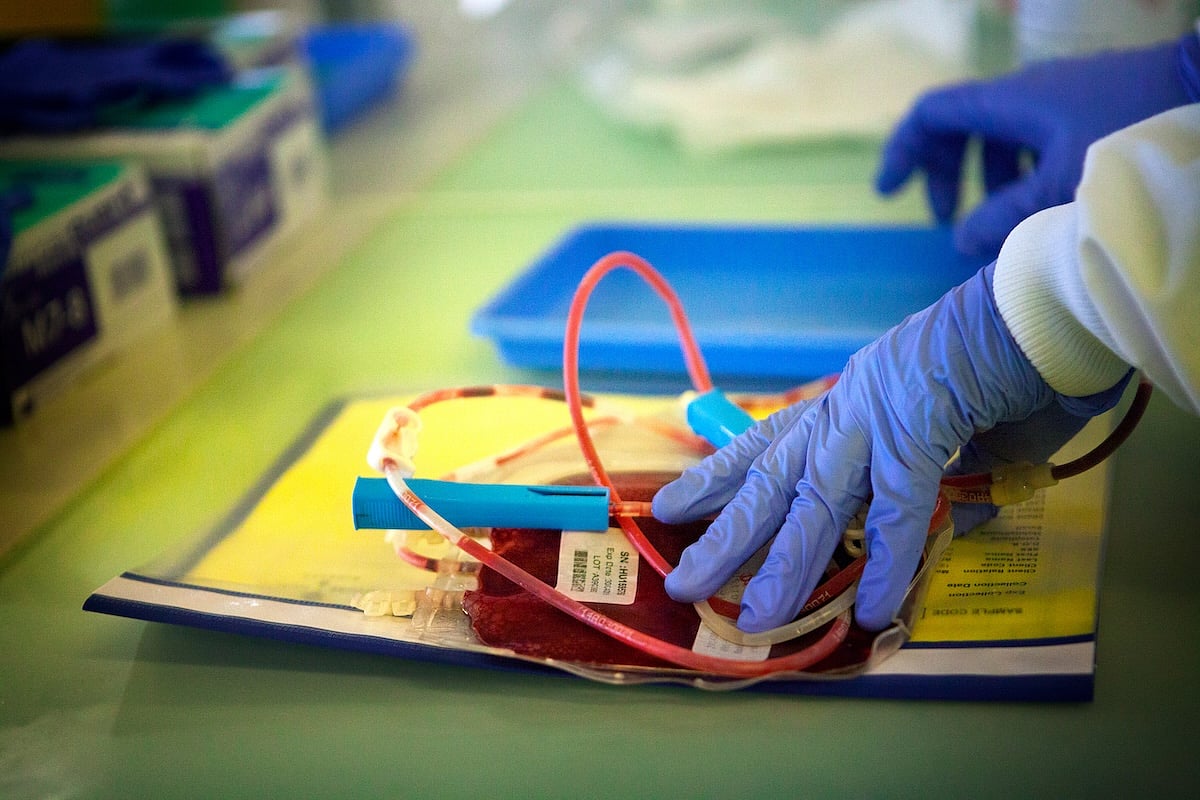 via HealthDay
THURSDAY, March 26, 2026 — Two states are suing a major cord blood storage company, claiming it misled parents about the benefits of saving their newborn’s stem cells.
Texas filed a lawsuit last month against Cord Blood Registry (CBR), and Arizona filed a similar case last year. Officials say the company made misleading claims about the usefulness of these cells in modern medicine.
Cord blood is collected from a newborn’s umbilical cord and stored for possible future use. CBR, based in Tucson, Arizona, stores more than 1 million samples and charges families thousands of dollars upfront, in addition to yearly storage fees.
On its website, the company calls cord blood banking a “once-in-a-lifetime opportunity” with the “potential to treat 80+ conditions."
The lawsuits say those claims are misleading. Modern medicine has limited use for privately stored cord blood, according to the cases, which cite a 2024 investigation by The New York Times.
Officials are asking the company to remove what they call deceptive ads and pay back all of the families who were misled.
“We know that so many families were deceived by this company at a time when they are in their most vulnerable moment,” Arizona Attorney General Kris Mayes told The Times.
Mayes said she was one of those parents.
She stored her daughter’s cord blood 13 years ago after being told it might one day help save her child’s life.
“I had somebody telling me that there is the possibility of using cord blood to save your baby’s life in the future,” she said.
CBR has pushed back on the Arizona case, saying that its contracts state: "There is no guarantee or assurance regarding success." A judge rejected the company’s request to throw out the case in November.
More than 2 million cord blood samples are stored across the United States, roughly half at CBR’s Tucson facility.
Despite the large numbers, doctors rarely use these samples today. Advances in medicine have made it easier to use adult stem cells instead.
The Times’ investigation found that only 19 transplants using a child’s stored cord blood have been reported since 2010.
There are also concerns about quality. Some stored samples cannot be used because their volume is too low or they have been contaminated.
Federal inspectors have found signs of bacterial growth at CBR’s facility.
Still, the company promises “the highest quality care and protection” for all samples.
Arizona’s lawsuit claims that CBR “conceals serious contamination concerns and risks from consumers in order to continue reaping storage fees.”
In the wake of reporters’ investigation, California Attorney General Rob Bonta issued a public warning in January of last year, The Times reported.
“As medical advances continue to improve, too many families and doctors continue to be misled about the potential of privately stored cord blood,” Bonta said at the time.
For many parents, the decision is an emotional one.
“You feel like a bad mom if you don’t do it,” Mayes told The Times.
But “what they are doing is illegal,” she added. “Who knew I’d end up in a position to do something about that.”
Sources
Disclaimer: Statistical data in medical articles provide general trends and do not pertain to individuals. Individual factors can vary greatly. Always seek personalized medical advice for individual healthcare decisions.
Source: HealthDay
Posted : 2026-03-27 02:00
Read more

- Colorectal Cancer Rates Shifting to Younger Groups as Rectal Cancer Rates Spike
- The Math Behind Eczema Flare-Ups May Finally Add Up
- Prenatal Valproate Exposure Tied to Offspring Neurodevelopmental Risks
- Worsening of Financial Well-Being Tied to Accelerated Cognitive Aging
- Sex, Menopausal Status Tied to Severity of Early Lyme Disease Presentation
- Improved Survival But More Adverse Events Seen for Women With Cancer
Disclaimer
Every effort has been made to ensure that the information provided by Drugslib.com is accurate, up-to-date, and complete, but no guarantee is made to that effect. Drug information contained herein may be time sensitive. Drugslib.com information has been compiled for use by healthcare practitioners and consumers in the United States and therefore Drugslib.com does not warrant that uses outside of the United States are appropriate, unless specifically indicated otherwise. Drugslib.com's drug information does not endorse drugs, diagnose patients or recommend therapy. Drugslib.com's drug information is an informational resource designed to assist licensed healthcare practitioners in caring for their patients and/or to serve consumers viewing this service as a supplement to, and not a substitute for, the expertise, skill, knowledge and judgment of healthcare practitioners.
The absence of a warning for a given drug or drug combination in no way should be construed to indicate that the drug or drug combination is safe, effective or appropriate for any given patient. Drugslib.com does not assume any responsibility for any aspect of healthcare administered with the aid of information Drugslib.com provides. The information contained herein is not intended to cover all possible uses, directions, precautions, warnings, drug interactions, allergic reactions, or adverse effects. If you have questions about the drugs you are taking, check with your doctor, nurse or pharmacist.
Popular Keywords
- metformin obat apa
- alahan panjang
- glimepiride obat apa
- takikardia adalah
- erau ernie
- pradiabetes
- besar88
- atrofi adalah
- kutu anjing
- trakeostomi
- mayzent pi
- enbrel auto injector not working
- enbrel interactions
- lenvima life expectancy
- leqvio pi
- what is lenvima
- lenvima pi
- empagliflozin-linagliptin
- encourage foundation for enbrel
- qulipta drug interactions