
Wrist-Derived Photoplethysmography Can Accurately ID Cardiac Arrest
 via HealthDay
TUESDAY, May 26, 2026 -- Wrist-derived photoplethysmography (PPG) can accurately detect cardiac arrest in adults undergoing ventricular tachycardia (VT) ablation or subcutaneous implantable cardioverter-defibrillator implantation, according to a research letter published online April 14 in Circulation: Arrhythmia and Electrophysiology.
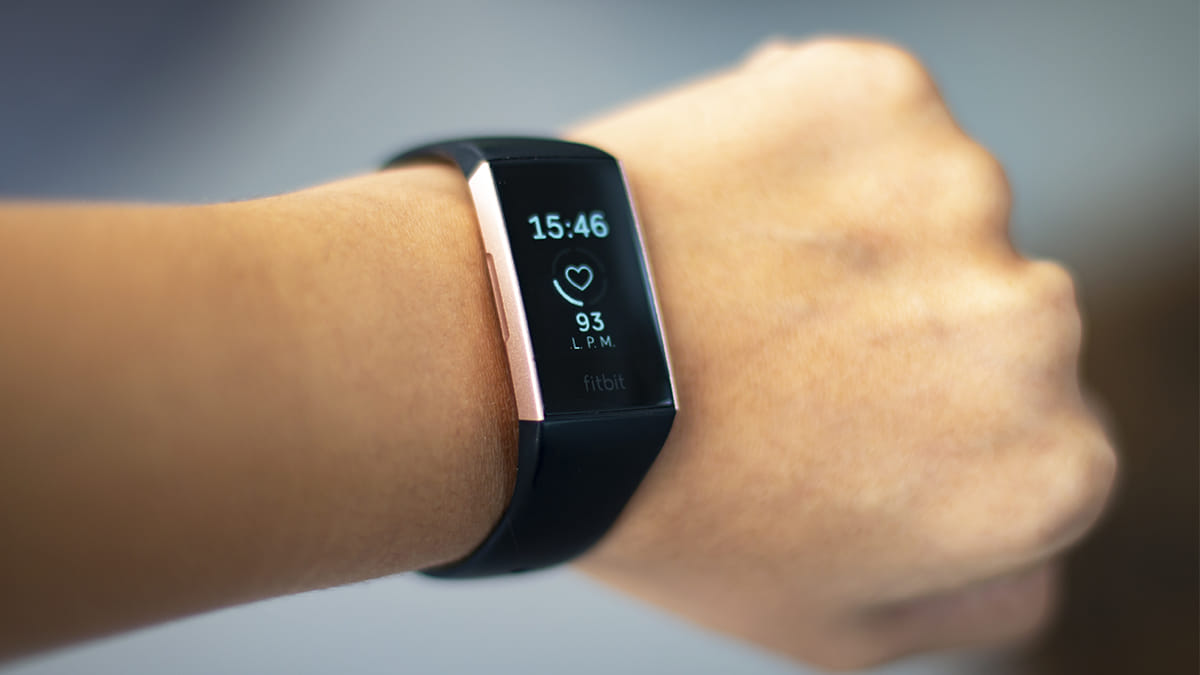
Roos Edgar, from the Radboud University Medical Center in Nijmegen, Netherlands, and colleagues conducted a prospective multicenter study involving 50 adult patients undergoing VT ablation or subcutaneous implantable cardioverter-defibrillator implantation while wearing a PPG-wristband. The primary end point was sensitivity for detecting cardiac arrest (pulseless ventricular tachycardia [pVT] or ventricular fibrillation [VF]), assessed on a per-event and a per-patient basis.
Forty-nine patients were included in the analysis; seven underwent subcutaneous implantable cardioverter-defibrillator implantation and 43 underwent VT ablation. The researchers found that 26 patients had 59 shockable events: 50 due to pVT and nine due to VF. No events were induced in the remaining 23 patients. The sensitivity for detection of cardiac arrest was 92 percent in the per-event analysis composed of all 59 events. Sensitivity for VF detection and pVT was 100 and 90 percent, respectively. Thirty-three alerts occurred in the absence of pVT/VF in 13 patients who had undergone VT ablation; 24 of these were considered clinically relevant. Twelve of these episodes occurred in a single patient. The positive predictive value for detection of cardiac arrest was 86 percent. In the per-patient analysis considering only the first event per patient, the sensitivity was 92 percent for detecting VF/pVT.
"The goal is to connect the wristband to emergency dispatch centers and volunteer responder networks in the Netherlands so that nearby rescuers and ambulance services can be alerted immediately when cardiac arrest is detected," senior author Judith Bonnes, M.D., Ph.D., also from the Radboud University Medical Center, said in a statement.
Disclaimer: Statistical data in medical articles provide general trends and do not pertain to individuals. Individual factors can vary greatly. Always seek personalized medical advice for individual healthcare decisions.
Source: HealthDay
Posted : 2026-05-27 03:04
Read more

Disclaimer
Every effort has been made to ensure that the information provided by Drugslib.com is accurate, up-to-date, and complete, but no guarantee is made to that effect. Drug information contained herein may be time sensitive. Drugslib.com information has been compiled for use by healthcare practitioners and consumers in the United States and therefore Drugslib.com does not warrant that uses outside of the United States are appropriate, unless specifically indicated otherwise. Drugslib.com's drug information does not endorse drugs, diagnose patients or recommend therapy. Drugslib.com's drug information is an informational resource designed to assist licensed healthcare practitioners in caring for their patients and/or to serve consumers viewing this service as a supplement to, and not a substitute for, the expertise, skill, knowledge and judgment of healthcare practitioners.
The absence of a warning for a given drug or drug combination in no way should be construed to indicate that the drug or drug combination is safe, effective or appropriate for any given patient. Drugslib.com does not assume any responsibility for any aspect of healthcare administered with the aid of information Drugslib.com provides. The information contained herein is not intended to cover all possible uses, directions, precautions, warnings, drug interactions, allergic reactions, or adverse effects. If you have questions about the drugs you are taking, check with your doctor, nurse or pharmacist.
Popular Keywords
- metformin obat apa
- alahan panjang
- glimepiride obat apa
- takikardia adalah
- erau ernie
- pradiabetes
- besar88
- atrofi adalah
- kutu anjing
- trakeostomi
- mayzent pi
- enbrel auto injector not working
- enbrel interactions
- lenvima life expectancy
- leqvio pi
- what is lenvima
- lenvima pi
- empagliflozin-linagliptin
- encourage foundation for enbrel
- qulipta drug interactions