
Wildlife Trade Tied To Higher Risk of Diseases Spreading to Humans
 via HealthDay
WEDNESDAY, April 15, 2026 — Buying or selling wild animals, whether for food, pets or other uses, may increase the risk of diseases spreading to people, a new study finds.
Researchers looked at more than 40 years of global wildlife trade data and thousands of mammal species. They found that animals involved in the trade were 50% more likely to carry germs that can infect humans.
“There’s no safe trade,” study author Jérôme Gippet, an ecologist at the University of Fribourg in Switzerland, told The New York Times. “As long as we continue trading species, we will expose ourselves to this problem.”
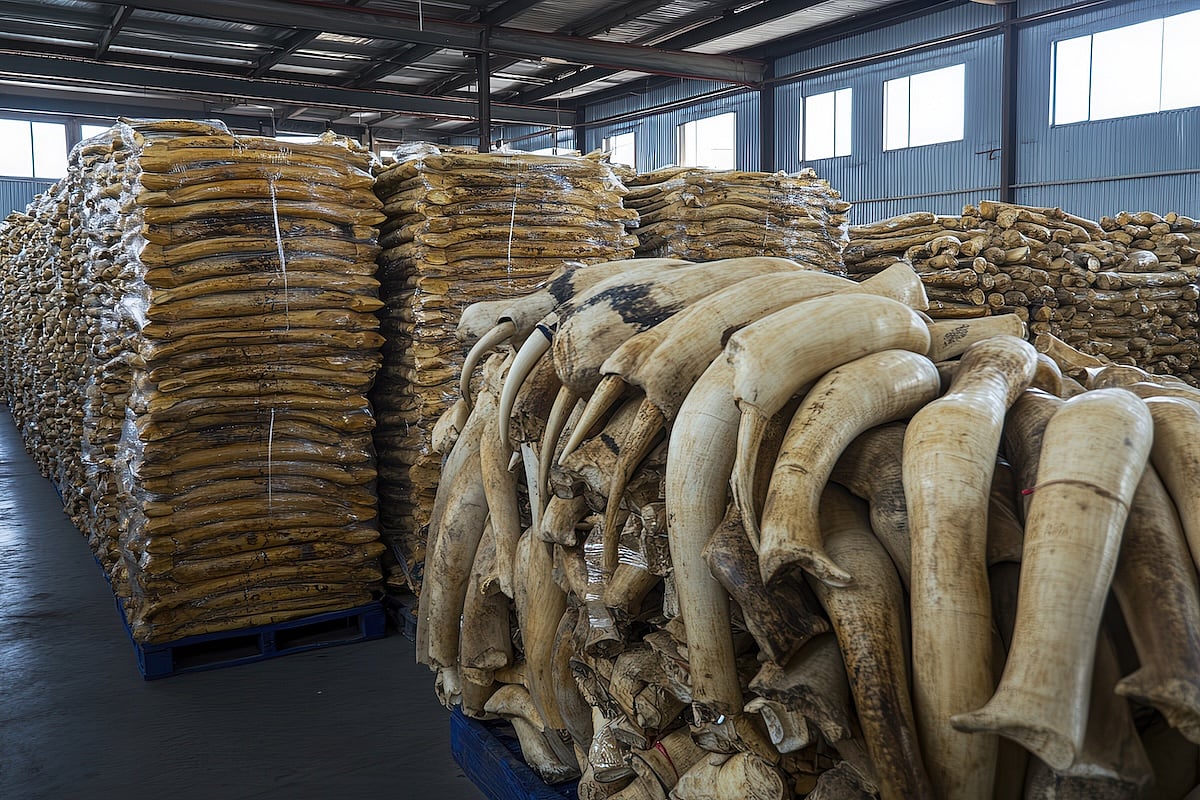
The study — published April 9 in the journal Science — identified more than 2,000 traded mammal species, or about a quarter of all mammal species on Earth.
Researchers found that 41% of the species that are traded carried at least one pathogen that's known to infect humans. On the other hand, only 6% of species not involved in trading shared any pathogens with people.
The longer a species was traded, the higher the risk. For every 10 years a species appeared in trade records, The Times said, it shared an additional pathogen with humans, researchers found.
These zoonotic pathogens cause include Ebola, mpox and Salmonella.
Some past outbreaks have been linked to wildlife trade, and some scientists believe SARS-CoV-2, the virus that causes COVID-19, may have first spread to humans at a live animal market.
“The more species are traded, the more opportunities they will have to transmit pathogens to humans,” Gippet explained.
Live animal markets and illegal wildlife trade may raise the risk even more, allowing pathogens to jump between animal species.
“What you get are steppingstones, where viruses are evolving in these markets,” study co-author Colin Carlson, a global change biologist at Yale University, told The Times. “Maybe they’re able to adapt to humans for the first time.”
Ann Linder, an associate director at the animal law and policy program at Harvard Law School who was not involved in the study, reviewed its findings.
“The study’s authors demonstrate through data what we’ve long suspected to be true — that human use and exploitation of wildlife actually increases the risks of spillover,” she said.
“Wildlife, left alone in intact ecosystems, pose very little risk of spreading zoonotic disease to people,” Linder said.
But more data is needed, she emphasized.
“We’re really not able to speak with any kind of certainty about the size and scale of the trade itself,” Linder said. “We need more studies like this, but, perhaps more fundamentally, we need more and better data to even begin to understand our own risk.”
Sources
Disclaimer: Statistical data in medical articles provide general trends and do not pertain to individuals. Individual factors can vary greatly. Always seek personalized medical advice for individual healthcare decisions.
Source: HealthDay
Posted : 2026-04-16 02:10
Read more

Disclaimer
Every effort has been made to ensure that the information provided by Drugslib.com is accurate, up-to-date, and complete, but no guarantee is made to that effect. Drug information contained herein may be time sensitive. Drugslib.com information has been compiled for use by healthcare practitioners and consumers in the United States and therefore Drugslib.com does not warrant that uses outside of the United States are appropriate, unless specifically indicated otherwise. Drugslib.com's drug information does not endorse drugs, diagnose patients or recommend therapy. Drugslib.com's drug information is an informational resource designed to assist licensed healthcare practitioners in caring for their patients and/or to serve consumers viewing this service as a supplement to, and not a substitute for, the expertise, skill, knowledge and judgment of healthcare practitioners.
The absence of a warning for a given drug or drug combination in no way should be construed to indicate that the drug or drug combination is safe, effective or appropriate for any given patient. Drugslib.com does not assume any responsibility for any aspect of healthcare administered with the aid of information Drugslib.com provides. The information contained herein is not intended to cover all possible uses, directions, precautions, warnings, drug interactions, allergic reactions, or adverse effects. If you have questions about the drugs you are taking, check with your doctor, nurse or pharmacist.
Popular Keywords
- metformin obat apa
- alahan panjang
- glimepiride obat apa
- takikardia adalah
- erau ernie
- pradiabetes
- besar88
- atrofi adalah
- kutu anjing
- trakeostomi
- mayzent pi
- enbrel auto injector not working
- enbrel interactions
- lenvima life expectancy
- leqvio pi
- what is lenvima
- lenvima pi
- empagliflozin-linagliptin
- encourage foundation for enbrel
- qulipta drug interactions